 Call, Write or Email Us About Your Family Law Issue
Mention this website and ask for a free 15-minute telephone consultation to find out if our firm can help you resolve your Family Law problem. Whether it's a divorce, post-divorce, custody or visitation matter, we'll be happy to discuss the matter briefly to determine if you need our services.
Hoge Partners, PLLC
Make a note of our NEW ADDRESS:
Suite 600
Kentucky Home Life Building
239 South Fifth Street
Louisville, Kentucky 40202
Fax: (502) 583-1223
Phone: (502) 583-2005
We accept:






 You'll get no argument from us!
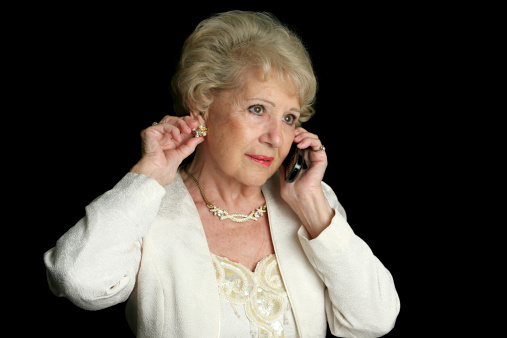
Being over 50 does not make you
"old", but it does come with different worries and concerns than we
had a few decades ago.
In our grandparents' day, it was almost unheard of for a couple to divorce after 30, 40 or 50 years of marriage. That's no longer the case. It's also much more common for people to be in a second or third marriage by the time they approach retirement age.
So what's different about getting a divorce when you are over 50?
Like it or not, many professionals refer to mature people ending their marriages as "gray divorce". Not the most flattering way to put it, but we hear the term more and more.
For many people in the 50+ age bracket, their children are grown or nearly grown. Those children may be out of the house and have families of their own by this juncture.
 When a couple grows
apart after many years together, there are still a lot of special
considerations that have to be taken into account.
By the time people enter their fifth decade, they may not still be
in their first marriage. Blending families has always been
challenging and that will never change, but divvying up two
lifetimes of possessions from multiple marriages can get complicated
very quickly.
Special concerns that you want to talk to your attorney about if you are over 50 and considering a divorce include:
-
Calculation and division of marital interests in real estate
-
Determining the value of marital interests in closely-held or family businesses or professional practices and how to divide them
-
Tracing and verifying a party's non-marital contributions to real and personal property or business assets
-
Calculation and division of marital interests in retirement/pension funds
-
Potential Social Security benefits to a disadvantaged spouse
-
Determination of whether a divorce will make it necessary for you to change your retirement plans (sell the second home, continue working longer than you had anticipated, put off big vacations or home remodeling projects, plans to downsize or relocate, etc.)
-
The comparative values of personal property and liquid assets against tax-deferred investments such as IRAs, 401(k)s, 403(b)s, pension savings plans, etc.
-
A long-term marriage is going to have a greater potential for one of the parties to make a substantial claim for maintenance (what we used to call "alimony")
-
Changes to your life insurance policies, estate planning, trusts, etc.
-
The option of keeping a home that one has been in for years versus "right-sizing" and moving into a smaller place that might be easier to take care of than a big house with a big yard or one that needs a lot of maintenance
-
Planning for a party's long-term care in the event of disability
-
Whether it would be advantageous to involve a financial planner in the dissolution process to ensure that your future monetary needs can be met through available resources
-
Whether divorce counseling or therapy is appropriate to help guide you through the emotional upheaval of a divorce
-
Providing for the long-term care requirements for special needs children who are dependent upon the parties
-
Should your primary healthcare provider be involved in your divorce to counsel you on impact this process might have on your physical health
If you find yourself in this situation, it's important to remember
that you are not alone and that the attorneys at Hoge Partners, PLLC
have years of experience in helping clients navigate these difficult
waters.
The attorneys at Hoge Partners, PLLC will be happy to talk to you about your legal options if you are over 50 and contemplating a divorce. Call us today.
Home Site Map Contact Us
Please make note of our NEW ADDRESS!
HOGE PARTNERS, PLLC
James K. Murphy
Ruth J.
Wilkerson
William L. Hoge, III
Attorneys at Law
Suite 600
Kentucky Home Life Building
239 South Fifth Street
Louisville, Kentucky 40202-3262
Our telephone number, fax number, website and email addresses remain unchanged!
THIS IS AN ADVERTISEMENT.
This website is not intended to offer legal advice or to replace the advice
of your attorney.
Its purpose is to supplement legal advice from qualified counsel and to aid
attorney-client communication.

Copyright 2018 -- Hoge Partners, PLLC